|
This page brought to you by:

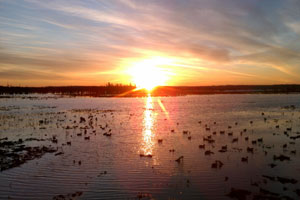
Duck hunters are tuning up their calls for Sunday’s swan song.
Tennessee’s 60-day season draws to a close at sunset for both ducks and
geese.
Although it has been a warm and wet winter, it appears a cold front will
arrive this weekend and perhaps end the season on a good note. Most
hunters deserve a reprieve as it has been a slow and unproductive season
for the majority of waterfowlers across West Tennessee and the region in
general.
There have been a few good days when rare cold fronts delivered change
and ducks responded favorably but the north winds and cool spells have
been rare and overdue. To put the season in perspective hunters have won
a battle or two but lost the war.
Not everyone has had a tough
season as there have been some success stories scattered among the torn
and tattered moral of mallard seekers. Several Reelfoot Lake blinds have
reported some good hunts.
Some very popular hunt locations across West Tennessee that have a
proven track record recorded one of their worst seasons in recent
memory. Ducks just didn’t arrive in numbers sufficient to supply
southern duck hunters with replacements when needed.
It was supposed to be a good year with a fall flight forecast that
projected record high numbers of ducks coming off a wet spring on the
breeding grounds where several species were at or above long term
averages in their population.
Despite the optimistic forecast weather played the dominant role and a
very mild winter across much of the north did not stimulate much of a
migration. Ducks remained north of the Mason-Dixon Line in record numbers,
partaking of ample food and open water that never froze.
Once hunting seasons in states to our north expired ducks and geese had no
hunting pressure so they road it out there, fat and sassy as mild weather
lingered for months in one of the warmest seasons on record.
Heavy rains inundated a large portion of a four state region back in early
December and some areas never recovered from the scenario that scattered
ducks in backwater acreage that was high and dry this time last year. Once
those areas got slash water it never iced over so ducks and those hunting
in a few select areas experienced favorable conditions while the lion’s
share of hunters stared a hole in empty skies.
Across the popular Mississippi River drainage areas such as the Obion,
Forked Deer, and Hatchie River backwaters never attracted ducks in
sufficient numbers. Beautifully flooded corn fields were no match for the
abundance of backwater and shallow rice fields in the Bootheel of Missouri
and eastern Arkansas or the high waters of the Mississippi and Ohio River
once they back out.
Even those areas were inconsistent for most of the season despite a few
surges in activity at times. Bottom line is that duck weren’t here in very
high numbers and those that did visit didn’t have to move around much.
Extended spells of bluebird days where stagnant winds hung around were
appreciated by winter fishermen but despised by dreary duck hunters.
As the season winds down for us old folks the youngsters get another crack
at it when a special youth waterfowl weekend arrives February 4-5. Kids
ages 6-15 years of age have a waterfowl weekend to call their own if
accompanied by an adult who cannot hunt ducks but can participate in other
open seasons for geese such as snow and white-fronted species.
|